
Free Git Courses
Top Courses
Ranked highest among our most popular programs based on learner ratings.
Free Courses

GIT Training

Advanced Git Concepts Online Course with Certificate
GitHub Basics
GIT Training
Advanced Git Concepts Online Course with Certificate
GitHub Basics
Key Skills You Will Build
The core capabilities you’ll practice across GIT courses
 Git Basics
Fundamentals of Version Control Systems and their role in DevOps
Git Workflow
Core Git Commands and Configuration
Git Branching
Working with Local and Remote Git Repositories
Git Teamwork
Branching, Switching, Merging, and Conflict Resolution in Git
Repository Management
Forking, Cloning, and Creating Pull Requests







Free Git Courses Overview
Git is a popular distributed version control system (VCS). It is open-source and is commonly used to track source code changes across software projects. It helps developers maintain complete project history, collaborate safely, and manage parallel development without overwriting work, which is especially useful in remote or large setups.
Git can enable teams to work with greater speed, efficiency, and asynchronous collaboration across distributed environments. Key advantages include:
Distributed repositories with complete project history
Fast branching and merging workflows
Reliable rollback and recovery capabilities
Support for collaborative development across teams
Integration with DevOps and CI/CD workflows
Git is considered a foundational system worldwide, as many modern software engineering workflows depend heavily on it. Many learners start with a free GitHub course for beginners before moving into collaborative engineering environments and large-scale software projects.
Know more about Free Git Courses
Upcoming Webinars - Free Masterclasses
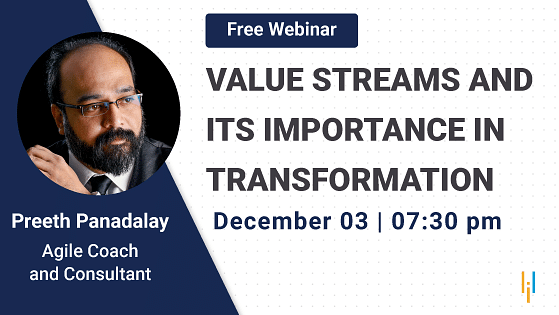
Value Streams and Its Importance in Transformation

Upskilling and Reskilling Strategies to Create Future-Proof Careers

Glimpsing The Future: How Cloud Computing Will Continue to Change the World
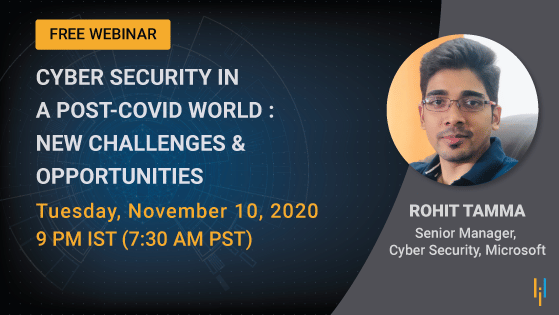
Cyber Security in a Post-Covid World: New Challenges & Opportunities
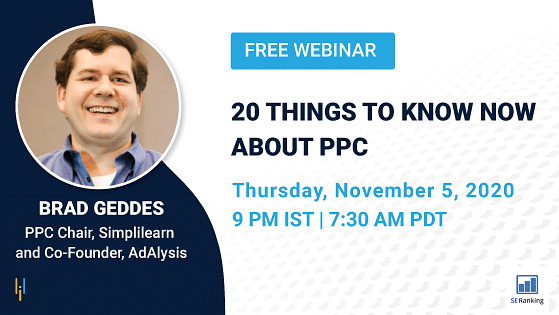
20 Things to Know Now About PPC

The Top Things to Know Now About SEO
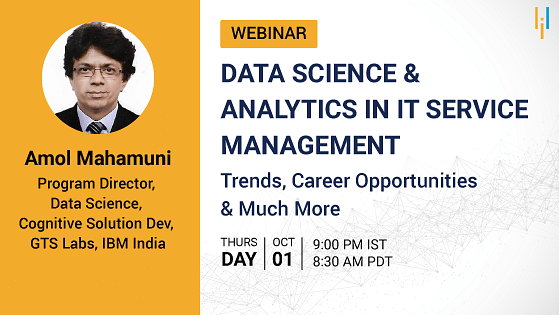
Data Science & Analytics in ITSM: Trends, Career Opportunities & Much More

How to Become an Empowered Engineer: Expert Tips for Professional Success

Career Management Masterclass: Building a Career Like Building a Successful Startup

How to Build a Successful Data Analytics Career in Retail Banking and Finance
Articles and Ebooks That You Can Access For Free

Top 15 Certifications That Pay Well
Professional Sentiment Survey 2026

Future of Robotics: Trends, Uses, Jobs, and What Comes Next
Top AI Jobs & How to Land Them in 2026




Top 15 Certifications That Pay Well
Professional Sentiment Survey 2026
Future of Robotics: Trends, Uses, Jobs, and What Comes Next
Top AI Jobs & How to Land Them in 2026
FAQs About Free Git Courses
No, Git is not hard to learn for most beginners, particularly if concepts are presented in a structured manner. A free Git course for beginners in 2026 will begin with the basics of repositories, commits, and branching. Students then move on to collaboration processes, version control, and more advanced repository management techniques of development teams.

*All salary figures referenced are based on data reported by employees on Glassdoor. These figures are estimates and may vary depending on location, experience level, company policies, and market conditions. Actual compensation may differ.