
Free Kanban Courses
Top Courses
Ranked highest among our most popular programs based on learner ratings.
Free Courses

Project Management 101
Introduction to Kanban
Free Project Manager Course
Project Management 101
Introduction to Kanban
Free Project Manager Course
Key Skills You Will Build
The core capabilities you’ll practice across kanban courses
 Kanban Principles and Practices
Scrum Priniciples and Practices
Agile Scrum methodologies
Create and manage Kanban boards
Scrum ceremonies
Agile Scrum applications
Work in Progress WIP
Create and manage Scrumban boards
Daily Scrum synchronization
Workflow Management



Free Kanban Courses Overview
Kanban is a visual workflow management system that helps teams see all active work, control how much is in progress at any time, and identify where work slows down or stalls. It originated in Toyota's manufacturing system and has since become one of the most widely adopted frameworks for continuous, flow-based delivery in software, marketing, operations, and service teams.
The three core mechanics of Kanban are:
Visualize work: Every task is represented as a card on a board, giving the entire team a shared, real-time view of what is in progress, what is queued, and what is done
Limit work in progress (WIP): Each stage of the workflow has a maximum number of active items, which prevents overload and keeps the team focused on completing tasks before starting new ones
Improve flow continuously: Measuring how long work takes to move through the system, teams identify bottlenecks, remove blockers, and optimize the workflow over time
Know more about Free Kanban Courses
Upcoming Webinars - Free Masterclasses

Value Streams and Its Importance in Transformation
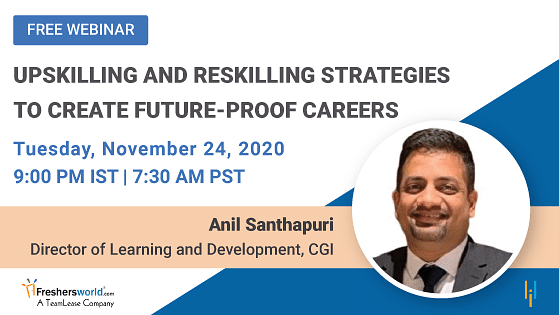
Upskilling and Reskilling Strategies to Create Future-Proof Careers

Glimpsing The Future: How Cloud Computing Will Continue to Change the World
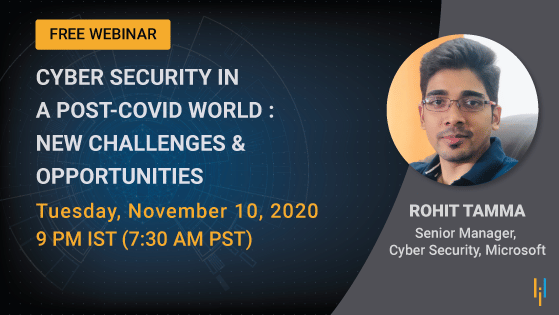
Cyber Security in a Post-Covid World: New Challenges & Opportunities

20 Things to Know Now About PPC

The Top Things to Know Now About SEO
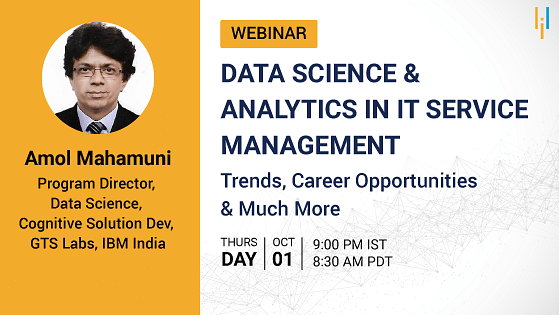
Data Science & Analytics in ITSM: Trends, Career Opportunities & Much More

How to Become an Empowered Engineer: Expert Tips for Professional Success
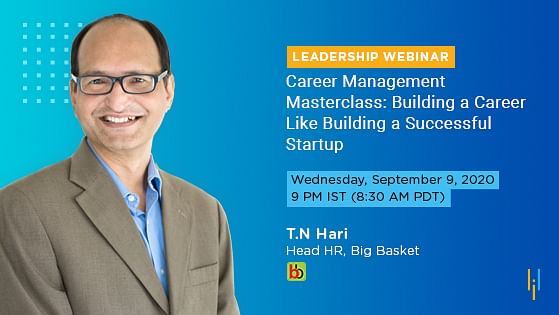
Career Management Masterclass: Building a Career Like Building a Successful Startup

How to Build a Successful Data Analytics Career in Retail Banking and Finance
Articles and Ebooks That You Can Access For Free
Best Programming Languages in 2027
Free eBook: Salesforce Platform Developer 1 Study Guide

Top 10 Jobs After BCA With Career Roadmap and Skills
8 Essential Concepts of Big Data and Hadoop





Best Programming Languages in 2027
Free eBook: Salesforce Platform Developer 1 Study Guide
Top 10 Jobs After BCA With Career Roadmap and Skills
8 Essential Concepts of Big Data and Hadoop
FAQs About Free Kanban Courses
Neither is better for all. It depends on what you do for a living. Scrum is best for teams looking to deliver planned product increments in fixed-length sprint cycles with defined ceremonies and roles. Kanban is for teams working on continuous, unpredictable work (support queues, maintenance tasks, or service delivery) where fixed iterations add unnecessary overhead.
A lot of teams use both—Scrum for planned feature development, Kanban for operational or unplanned work. SkillUp offers free Kanban and Scrum course content for both frameworks, including a dedicated Scrum vs Kanban comparison lesson.

*All salary figures referenced are based on data reported by employees on Glassdoor. These figures are estimates and may vary depending on location, experience level, company policies, and market conditions. Actual compensation may differ.