
Web Designing Courses
From eye-catching visuals to seamless structure and style, understand how different elements shape a website. Learn the principles behind creating clear, engaging web pages and how design choices influence usability. Our web designing courses provide step-by-step guidance to help you develop versatile skills you can apply across different web projects.
-
Explore how visual design and layout guide user interaction
-
Build foundational skills in HTML and CSS for page structure and style
-
Learn design techniques that make websites look good on any device
Top 3 Web Designing Courses for 2026
Ranked highest among 100+ programs based on learner ratings

Key Skills You Will Build
The core capabilities you’ll practice across Web Designing programs
AWS Compute
AWS Networking
AWS Storage
Databases
Monitoring and Optimization
Serverless
AWS architecture best practice
AWS cost estimation
AWS data IO
AWS implementation optimization
AWS solution planning
Designing resilient AWS implementations
Identity and Access Management




Browse Web Designing Courses

Know more about Web Designing Courses
Introduction: What is Web Design
Web design refers to the look and feel of a website. It is the process of planning, conceptualizing, and creating the content and layout of a websitIntroduction: What is Web Design
Web design refers to the look and feel of a website. It is the process of planning, conceptualizing, and creating the content and layout of a website for a good user experience. Today, businesses rely on web design to deliver a seamless user experience by creating websites that build brand trust, optimize user journeys, incorporate AI-powered personalization, and widen the customer base by improving accessibility and inclusivity.
To build these effective platforms, professionals focus on several core pillars of digital creation:
Usability testing ensures interfaces work across all demographics
- Layout strategy directs attention to critical products and services
- Visual consistency solidifies brand identity through color and typography
- Technical optimization guarantees fast load times and error-free performance\
At Simplilearn, we offer structured pathways to learn these elements, transforming beginners into professionals capable of shaping the digital ecosystem.
Market Demand & Industry Relevance
Career Scope & Opportunities
Entering the design industry opens doors to various creative and technical roles. You are not limited to just building websites. You can specialize in how products feel, how they look, or how they are coded. The skills you learn in a web design course are transferable across many tech sectors.
Common Job Roles:
- Web designer
- UI/UX designer (entry-level)
- Front-end designer
- Interaction designer
- Creative designer
- Website layout specialist
Beyond entry-level positions, career progression is clear, with pathways to senior roles such as design strategist, product design manager, and creative director across sectors ranging from e-commerce to SaaS.
Key Skills and Tools Covered
Our curriculum moves beyond basic theory to ensure you understand the specific competencies required to build professional-grade digital products. You will start with the foundational elements of design before moving on to advanced technical applications and compliance standards.
- Core Skills: HTML, CSS, responsive design, and accessibility compliance (WCAG)
- Design Logic: UI principles, layout strategy, color theory, and typography
- Process: Wireframing, low-fidelity prototyping, and design thinking
- Professional Assets: Portfolio building and creating scalable design systems
Beyond these core skills, you will gain proficiency in the industry-standard software used by top design teams globally. We ensure you are comfortable navigating these platforms to execute your ideas efficiently:
- Figma for interface design and real-time collaboration
- Adobe XD for vector-based user experience design
- Photoshop & Illustrator for asset creation and image manipulation
The learning process is grounded in practical application to ensure you are job-ready from day one.
- Hands-on Projects: Build complete websites from scratch
- Prototyping: Create interactive interfaces that simulate real user journeys
- Critiques: Receive professional feedback on your design choices
- Assignments: Tackle real-world tasks aligned with current industry standards
Who Can Enroll
This program is designed for a wide range of learners, from creative beginners to technical professionals looking to expand their capabilities.
|
Profile |
Why this course adds value |
|---|---|
|
Students & Freshers |
Launch a career in a high-demand creative field without a prior degree |
|
Graphic Designers |
Transition from print to digital media to increase earning potential |
|
Developers |
Learn the visual principles behind the code to become a full-stack asset |
|
Entrepreneurs |
Build and manage business websites without relying on agencies |
|
Marketing Professionals |
Create better landing pages that drive higher conversion rates |
How Simplilearn Makes You Industry-Ready
We ground theory in real-world practice by aligning our curriculum with current industry standards, ensuring you understand the business logic behind every design decision.
- Expert guidance comes directly from active practitioners in the design field
- Real-world simulations involve capstone projects that mimic actual client briefs
- The tool provides access to premium software and templates for professional assets
- Portfolio development helps you curate a recruiter-ready portfolio through guided sessions
- Applied learning reinforces every concept immediately with practical assignments
- Future-proofing exposes you to emerging trends like motion UI and rapid prototyping
Why Choose Simplilearn for Web Design
Our web design programs are developed with IIIT Bangalore, providing a certification that carries significant industry weight. We focus on tangible results, ensuring you build a diverse portfolio of professional-grade projects to impress recruiters. By prioritizing practical application over passive learning, we have helped thousands of learners successfully transition into the design field.
...Connect with our learning consultant to get all your questions answered about programs, faculty, and more
Tools That Boost Your Skills
Get hands-on with the platforms and tools covered across our Web Designing programs







Recommended Learning Materials for Upskilling
Explore free webinars, tutorials, career guides, and practical reads to go deeper
Upcoming Webinars - Free Masterclasses

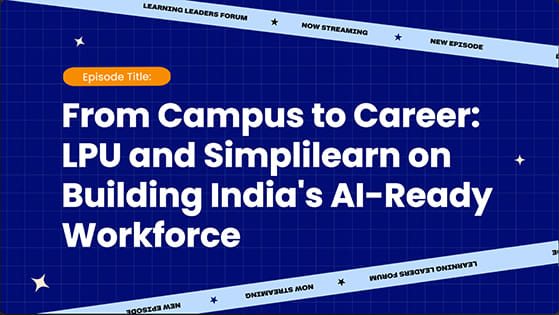

Future-Proofing Talent: How Enterprises Are Preparing for AI

AI Skills and Mindsets for Enterprise Transformation

The Rise of SLMs — What ML and Data Professionals Need to Know Now

Leading AI Transformation Through Talent Development

Path to a ₹40+ LPA Salary in AI and ML

Get 100% Government Funding on Your Next Training Program — Unlock AI & Digital Skills

IDC Briefing : Future-Ready Enterprise Architecture

Vibe Code It Live: Build Your Personal AI Coach

IDC Briefing: Closing the AI Skills Gap

Learn It Live: Design Your First Product MVP with Miro

Empowering Your Workforce in the AI Era

Skills to Stack: Getting Ready for Agentic AI

Build AI assistants like ChatGPT & Copilot

How Our Cloud Architect Program Helps You Stand Out in the Job Market

Top 10 Automation Tools to Secure Your Career Growth in 2025

From Concept to Code: Live Demo of a Food Delivery App Using MERN

AWS Cloud Architect vs Solutions Architect - which one is right for you?
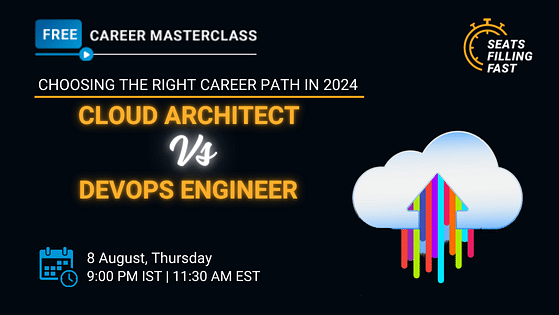
Cloud Architect vs DevOps Engineer: Choosing the Right Career Path in 2024
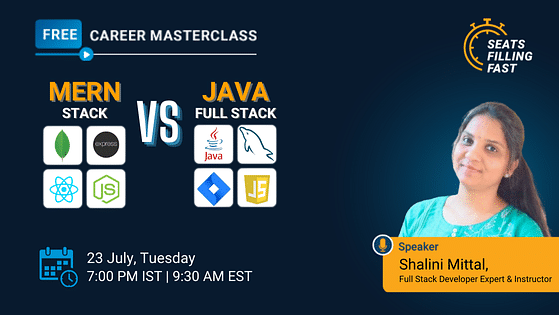
Career Masterclass: MERN vs. Java Full Stack: Making the Right Career Move in 2024

Career Masterclass: From Beginner to Pro: AWS Cloud Operations Career Roadmap in 2024
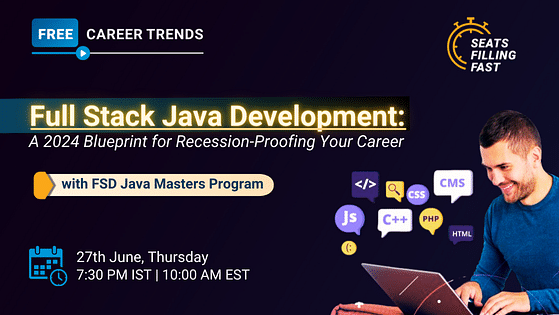
Full Stack Java Development: A 2024 Blueprint for Recession-Proofing Your Career
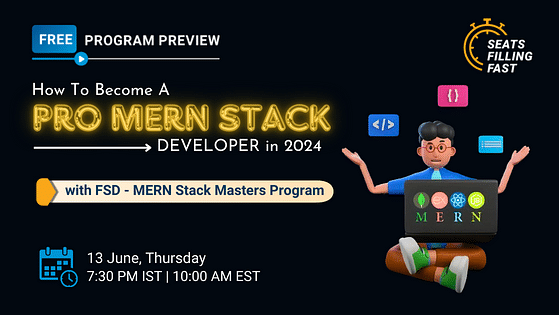
How To Become a Pro MERN Stack Developer in 2024

Java FullStack: Your Gateway to a Recession-Proof Future?
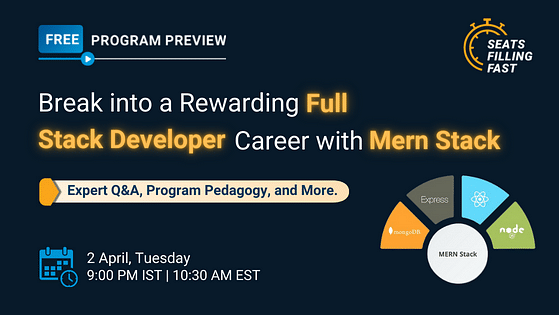
Break into a Rewarding Full Stack Developer Career with Mern Stack

Skyrocket Your Cloud Architect Career to New Heights in 2024 with Simplilearn's MP
Steer Your Full Stack Development Career Ahead in 2024 with IIT Madras Pravartak
Articles and Ebooks That You Can Access For Free








![AWS Cloud Practitioner Salary Insights and Trends [2026]](https://www.simplilearn.com/ice9/free_resources_article_thumb/AWS_cloud_practitioner_job_description.jpg)




















Meet Your Mentors
Dr. Sandeep Shukla
Professor, Computer Science and Engineering at IIT Kanpur,
Prof. Sandeep Shukla is the Coordinator of the Interdisciplinary Center for Cyber Security and Cyber Defense of Critical Infrastructure at IIT Kanpur. He has a Ph.D. and MS in Computer Science from the State University of New York.
Still Curious? Answers to Common Web Designing Questions
An optimized website serves as a storefront for your business. It creates awareness about your business’s offerings and services and builds a solid online reputation.
Building a responsive website demands investing a considerable amount before generating actual profits. But, once you start doing it, it's worth every penny. To achieve the full potential of the business, design plays an essential role which provides an edge over competitors and can either make it or break it.
A functional website lets you reach a faction of the audience. Further, a polished website captures the attention of the prospects and speaks in depth about your business. Building an efficient website builds a strong foundation of trust and reliance.
How can online courses help you learn Web Design?
Online learning courses offer multiple advantages for learning web design:
-
Accessibility: Online courses offer accessibility to learners worldwide by enabling them to access the content from anywhere with an internet connection. This convenience ensures that individuals can engage in learning without geographical constraints.
-
Own Pace Learning: Self-paced learning is a feature typically offered by online courses, allowing individuals to tailor their learning experience according to their preferences and schedules. This flexibility caters to different learning speeds and accommodates various time constraints.
-
Multiple Course Options: A wide range of web design courses, suitable for beginners, intermediates, and advanced learners, are available on online platforms. These diverse course options cater to individuals at different levels of expertise.
-
Cost-effective: Online courses are often more affordable than traditional in-person classes, making them a cost-effective option. Additionally, many platforms offer free courses or trials, providing further financial benefits.
Certifications. When you complete an online course, you can earn certificates or qualifications that strengthen your resume and enhance your career prospects.
What skills or experience do I need to already have before starting to learn about web design?
When starting to learn web design, it can be helpful to possess a basic understanding of specific skills and areas of knowledge. Here are a few key abilities and experiences that serve as an excellent starting point.
-
HTML and CSS Basics: It is beneficial to have a good understanding of HTML (Hypertext Markup Language) and CSS (Cascading Style Sheets) basics. These foundational components are essential for web design.
-
Graphic Designing: An understanding of basic graphic design principles, including color theory, typography, and layout, can greatly benefit individuals when it comes to crafting visually captivating websites.
-
Text Editors: Familiarity with text editors like Notepad, Visual Studio Code, or Sublime Text is useful for writing and editing code.
-
UI/UX: A solid understanding of UX/UX principles is essential in building user-friendly websites. This includes grasping concepts like usability, accessibility, and user-centered design.
What kind of people are best suited for roles in web design?
Roles in web design attract individuals who blend creativity with technical skills, possess strong problem-solving abilities, adapt to changing web design trends, communicate effectively, prioritize user needs, and may have a background in HTML, CSS, or design software.
How do I know if learning web design is right for me?
Determining whether learning web design is the right path involves a thorough self-assessment of interests, aptitudes, and aspirations. If one possesses a genuine passion for crafting visually appealing designs and has a curiosity about web technologies, it may be a favorable sign for you. Furthermore, being detail-oriented, patient, and adaptable to growing design trends proves advantageous. If you have any confusion, exploring introductory courses or resources can help estimate your interest and initiate steps towards choosing your career interest.
What Web Design courses are best for training and upskilling employees or the workforce?
When considering employee training and upskilling in web design, it is essential to explore courses that offer comprehensive training, flexibility, and the ability to cater to different skill levels. Below are some of the top web design courses for enhancing employee skills:
What is the difference between UX and UI?
UX (User Experience) and UI (User Interface) are closely interconnected. However, there are key differences between them. UX (User Experience) focuses on shaping the overall experience users have while interacting with a product. Its objective is to optimize user journeys through thorough research, testing, and ensuring efficiency, enjoyment, and user-centeredness.
UI (User Interface) focuses on the visual and interactive elements that users perceive and engage with. It includes the arrangement, design, and presentation of the product's interface to ensure an aesthetically pleasing and user-friendly experience.
What is wireframing, and why is it important?
Wireframing is the initial step within the web design process, specifically employed in web design and app development. It entails preparing a simplified visual depiction of a user interface (UI) or web page. It generally possesses low-fidelity attributes; wireframes employ fundamental shapes, lines, and placeholders to outline the overall structure and layout of a page. It does not highlight the intricate design elements like colors and images.
Here's why wireframing is important:
-
Visual Blueprint: Wireframes act as a visual blueprint, providing designers with a framework to strategically plan the layout and structure of web pages or applications prior to diving into the design phase. This helps in effectively organizing content and features for seamless user experience.
-
Clear Communication: Wireframes are a valuable tool for conveying design concepts and ideas clearly to team members, stakeholders, and clients. They facilitate effective communication by providing a visual reference point that everyone can easily understand.
-
Offers Functionality: Functionality takes the center stage in wireframes by excluding intricate design elements. This allows designers to prioritize user flow, navigation, and content placement without getting sidetracked by aesthetics.
-
User-Centered Design: Wireframes assist designers in adopting a user's perspective. They facilitates the testing of user journeys and interactions, guaranteeing a user-friendly and intuitive final design.
- Reduced Misinterpretation: Wireframes is a useful approach for reducing the chances of misinterpreting design intentions. By utilizing wireframes, designers and developers can establish a shared understanding of the project from an early stage.
What does a web designer do?
A web designer is responsible for creating visually appealing websites by designing the layouts, navigation menus, and interactive elements that enhance user experience (UX). They work collaboratively with developers, gather client requirements, and conduct usability testing. Staying updated with design trends is essential for web designers while also possessing basic coding skills
How long does it take to complete these Web Design courses?
The time required to complete web design courses can vary significantly depending on factors such as course type, format, prior knowledge, and the student's time commitment. Introductory courses typically span a few hours to weeks, while more comprehensive programs may extend over months or even years. It is advisable to check for time duration before enrolling in these courses.
Will I have lifetime access to these Web Design courses with certificates?
Every course access policy can vary significantly, but those offered by Simpliearn provide lifetime access. It is crucial to thoroughly examine the specific terms and conditions provided by the course provider. Some courses offer lifetime access to course materials and certificates upon enrollment. Conversely, certain courses may have limitations in terms of access duration. To access these course areas, you may require an active subscription to the platform. To get accurate information, it is highly recommended to review the course details and policies prior to enrolling.
What are my next learning options after these Web Design courses?
After completing web design courses, individuals have a wide range of learning options to explore that align with their interests and career aspirations. They can choose to enhance their web design skills by learning advanced designing courses in areas like UI/UX design front-end or back-end development. Alternatively, you can explore development-related fields such as graphic design, mobile app development, or e-commerce development.
What knowledge and skills will I gain upon completing these free Web Design courses?
Upon completion of free web design courses, individuals will acquire a valuable set of knowledge and technical skills. They will develop proficiency in HTML and CSS, which allow for effective structuring of web content and application of styles. These courses will provide a solid understanding of fundamental design principles, such as layout, color theory, typography, and visual hierarchy.
Also, participants will gain expertise in responsive web design to ensure optimal website appearance and functionality across different devices. Moreover, they will be introduced to the basics of user interface (UI) design for creating visually appealing and user-friendly interfaces.
Why take Web Design courses from Simplilearn?
Enrolling in web design courses from Simplilearn offers several advantages:
-
Comprehensive Curriculum: Simplilearn offers a comprehensive curriculum that covers various web design topics. This ensures that you develop a well-rounded understanding of the field.
-
Experienced Instructors: Our courses are conducted by instructors with extensive industry knowledge and practical insights. They bring their expertise to your learning experience, ensuring you gain valuable skills and understanding.
-
Flexibility: Simplilearn provides the flexibility of choosing between self-paced or instructor-led courses. This allows learners to select a format that aligns with their schedule and personal preferences.
-
Industry Recognized Certifications: Upon completion, these courses provide industry-recognized certifications that can greatly enhance your resume and open up new career opportunities.
-
Job Assistance: Simplilearn's JobAssist program gives you complete support for job placement and guidance on building effective resumes.
What jobs demand you learn Web Design?
Many job roles and industries require knowledge of web design because it is essential for creating attractive and user-friendly online experiences. Let's explore some specific jobs and sectors that prioritize web design skills.
-
Web Designer
-
Front-End Developer
-
UI/UX Designer
-
Graphic Designer
-
Digital Marketer
-
Content Manager
-
E-commerce Specialist
-
Search Engine Optimization Specialist
-
Social Media Manager
-
Freelancer or Entrepreneur
-
Educators and Trainers
-
Nonprofits and NGOs
-
Government and Public Sector
-
Healthcare
-
Hospitality and Tourism
-
Media and Publishing
What are the Different Types of Web Design Courses?
There are multiple options when it comes to web design courses. These courses cater to different learning objectives and educational levels. Let's explore the various types available:
-
Certification Courses: These courses are short-term and focus on specific web design skills. Upon completion, participants receive a certification. They are ideal for individuals seeking to acquire specialized skills or enhance their existing knowledge. The duration of these courses may span 2-3 months.
-
Diploma Courses: Diploma courses, unlike certifications, focus on web design topics more comprehensively and offer a broader curriculum. They typically spans several months for completion and grants a diploma or similar credential.
-
Degree Courses: Individuals interested in pursuing a formal education in web design can opt for degree programs, such as a bachelor's or master's degree in Web Design or related fields. These comprehensive programs provide extensive knowledge and skills through 2-4 years of study.
-
Online Courses: These online courses are available in various formats and can be accessed over the internet. These courses offer flexibility and convenience, allowing a global audience to participate easily.
What are the Key Factors to Consider While Choosing Web Design Courses?
When considering web design courses, it is crucial to take into account several key factors. These factors will help you choose the right program that aligns with your unique learning goals and individual needs. Here are the essential aspects to consider in mind.
-
Course Content and Curriculum: Ensure that the subjects covered align with your learning objectives and areas of interest. Whether you want to gain expertise in HTML and CSS basics or explore advanced topics like responsive design and UI/UX, it's crucial to find a course tailored to your specific needs.
-
Instructor Expertise: The expertise of the course instructors has a significant impact on your learning experience. It is important to spend time researching their qualifications and industry experience. Instructors who possess practical knowledge can offer valuable insights and guidance.
-
Course Format and Delivery: Consider the web design course's format and delivery method. Typically, you have the option of choosing between online, in-person, or blended formats. Your decision should align with your preferred learning style and accommodate your schedule.
-
Duration and Time Commitment: The course's duration and time commitment should align with your preferred learning pace and objectives. If you're seeking fast skill acquisition, short-term courses are ideal. For a deeper understanding, longer programs offer comprehensive knowledge.
-
Accreditation and Certification: When searching for courses, it is advisable to look for those that provide industry-recognized certifications upon completion. These credentials have the potential to enhance your professional standing within the web design field.
-
Career Support and Resources: Consider whether the course offers essential career support services. Services such as job placement assistance, guidance in building your resume, access to professional networks and job boards can greatly enhance your future career prospects after completing the course.
What are the best Web Designing Courses in the market?
Some of the best web design courses listed are:
- Web Designing Basics
- PCB Designing Course
Among these, Web Designing Basics is the strongest choice for most learners because it is the most directly aligned with core web design skills such as website layout, visual structure, HTML, CSS, and responsive design.
Are there any free resources related to web design and development I can explore before choosing a program?
Yes. Simplilearn's SkillUp platform offers a free Web Development course covering core concepts, and a free HTML course covering the building blocks of web pages. These free courses are a good starting point, but our certification programs offer in-depth, project-based learning, expert mentorship, and industry-recognized credentials designed to prepare you for real-world web design and development roles.
Do these programs cover frontend technologies like React in detail?
Yes, React and other frontend technologies are covered in depth as part of our relevant certification programs. If you'd like a quick introduction beforehand, Simplilearn's SkillUp platform also offers a free React course, along with a free Frontend Development course. Our certification programs, however, go much further — teaching you how to design and build complete, real-world user interfaces under expert guidance.
Is backend and full-stack development also covered, or is this purely a design-focused program?
Backend and full-stack skills are covered as part of our relevant certification programs, so you can build both the visual and functional sides of a website. For a quick primer, Simplilearn's SkillUp platform also offers free courses on Backend Development courses, Programming courses, and Software Development courses. Our certification programs, however, integrate these into complete, full-stack projects with mentorship and certification support.

*All salary figures referenced are based on data reported by employees on Glassdoor. These figures are estimates and may vary depending on location, experience level, company policies, and market conditions. Actual compensation may differ.