Project Manager Roadmap
Step-by-Step Career Roadmap Guide to Get Job Ready
Project Managers take business ideas and turn them into real results by keeping teams on track, budgets in check, and deadlines within reach. Project managers remain among the most sought-after professionals across industries.
Project Managers take business ideas and turn them into real results by keeping teams on track, budgets in check, and de...
82,000+
$97,522

Top Industries
Hiring Project Managers
70%
Job Satisfaction
What Does a Project Manager Do and Why Businesses Need Them?
Project managers bridge strategy and execution by turning high-level goals into structured plans with clear owners, milestones, and accountability. Without them, priorities blur, tasks get missed, and small issues can quickly grow into bigger problems.
Project managers bridge strategy and execution by turning high-level goals into structured plans with clear owners, milestones, and accountability. Without them, priorities blur, tasks get missed, and small issues can quickly grow into bigger problems.

Defining Scope, Goals, Metrics
Define goals, success criteria, and project metrics
Project Planning
Track project timelines, budgets, and resource planning
Coordination and Collaboration
Ensure teams are aligned & working toward project goals
KPIs and Risk Management
Monitor project progress, manage risk & control changes
Who Is This Career For?
You will enjoy being a project manager if you are:

Organized and Process-Driven
Skilled at managing competing priorities and streamlining complex workflows to achieve results
Goal-Oriented and Team Player
Keep everyone aligned and feel a sense of accomplishment when a project crosses the finish line
Clear Communicator and Risk Aware
Able to manage up, down, and across teams, and spot problems before they become crises

Recommended Courses






Project Manager Salary
Compensation* grows as you progress from task execution to project ownership & program leadership
$55,000 - $87,000
9% Annually
Entry-Level
$92,000 - $108,000
12% Annually
Mid-Level
$116,664 - $182,897
18% Annually
Senior-Level
Entry-Level
$55,000 - $87,000
Mid-Level
$92,000 - $108,000
Senior-Level
$116,664 - $182,897
*All salary figures referenced are based on data reported by employees on Glassdoor
Step-by-Step Project Manager Career Path
A comprehensive guide to skills, responsibilities, and expectations at each career level.
Who This Is For
Freshers starting in coordinator or administrator roles
Junior project managers building foundational delivery experience
PMO analysts looking to move into hands-on project execution
Freshers starting in coordinator or administrator roles
Junior project managers building foundational delivery experience
PMO analysts looking to move into hands-on project execution
Role Outcomes
Assist in building timelines, task lists, & resource schedules
Maintain project trackers and update documentation regularly
Draft status reports and coordinate meeting logistics
Help teams stay on schedule and within scope
Tool Stack






Technical Skills
Project Scheduling Basics
Scope Documentation
Risk Log Maintenance
Meeting Facilitation
Budget Tracking
Project Scheduling Basics
Scope Documentation
Risk Log Maintenance
Meeting Facilitation
Budget Tracking
+ 4 more skills
Soft Skills
Attention to Detail
Written and Verbal Communication
Stakeholder Follow-up
Time Management
Problem-solving Mindset
Attention to Detail
Written and Verbal Communication
Stakeholder Follow-up
Time Management
Problem-solving Mindset
Example Deliverables

Documentation
Project plan drafts, meeting minutes, and stakeholder contact lists
Tracking
Status reports and risk and issue logs
Closure
Project closure checklists and lessons learned summaries
KPIs
Task completion rate
Milestone adherence
Status report timeliness
Meeting attendance tracking
Action item closure rate
Interview Checkpoint
A project task is running three days late, and the milestone is next week. What do you do?
A stakeholder requests a new feature mid-project that was not part of the original scope. How would you handle this?
A key project owner misses a status update before a client review. How do you follow up and keep the meeting on track?
Freshers starting in coordinator or administrator roles
Junior project managers building foundational delivery experience
PMO analysts looking to move into hands-on project execution
Freshers starting in coordinator or administrator roles
Junior project managers building foundational delivery experience
PMO analysts looking to move into hands-on project execution
Assist in building timelines, task lists, & resource schedules
Maintain project trackers and update documentation regularly
Draft status reports and coordinate meeting logistics
Help teams stay on schedule and within scope
Project Scheduling Basics
Scope Documentation
Risk Log Maintenance
Meeting Facilitation
Budget Tracking
Project Scheduling Basics
Scope Documentation
Risk Log Maintenance
Meeting Facilitation
Budget Tracking
+ 4 more skills
Attention to Detail
Written and Verbal Communication
Stakeholder Follow-up
Time Management
Problem-solving Mindset
Attention to Detail
Written and Verbal Communication
Stakeholder Follow-up
Time Management
Problem-solving Mindset
Documentation
Project plan drafts, meeting minutes, and stakeholder contact lists
Tracking
Status reports and risk and issue logs
Closure
Project closure checklists and lessons learned summaries
Task completion rate
Milestone adherence
Status report timeliness
Meeting attendance tracking
Action item closure rate
A project task is running three days late, and the milestone is next week. What do you do?
A stakeholder requests a new feature mid-project that was not part of the original scope. How would you handle this?
A key project owner misses a status update before a client review. How do you follow up and keep the meeting on track?






Key Things to Know
Start with project planning and scheduling fundamentals, then add risk management, stakeholder communication, and one delivery methodology such as Agile or Waterfall.
Yes. Most employers prioritize delivery experience, tool proficiency, and communication skills over formal education.
Most mid-level positions require 2 to 5 years of hands-on project coordination or junior PM experience, along with a track record of delivering projects successfully.
You move from supporting projects to owning them. This means full accountability for scope, budget, timelines, and stakeholder outcomes rather than just tracking tasks and taking notes.
Senior PMs are expected to own outcomes across multiple projects or programs, influence business strategy, and coach others. The focus shifts from delivering one project well to driving portfolio-level impact and shaping how the PMO operates.
Start by volunteering for cross-project coordination, dependency management, or PMO initiatives. Build visibility with senior leadership, demonstrate commercial thinking, and show you can connect delivery outcomes to business results.
How to Get Started
Project Manager Roadmap: From Complete Beginner to Job-Ready Project Manager
1. PROJECT MANAGEMENT FOUNDATIONS
Learn
Role distinctions between Project Manager, Program Manager, PMO Analyst, and Scrum Master
Core concepts like scope, WBS, milestones, constraints, and baselines
Project lifecycle phases from initiation to closure
How risk, dependencies, and deliverables connect within a project
Practice & Deliver
1 project charter outline, one simple project plan
1 stakeholder register draft
Pick A Learning Path
Track A
- PM basics
- Scope and Scheduling
- MS Project or Asana Fundamentals
Track B
- Agile Basics
- Sprint Planning
- Jira Fundamentals
Track C
- Program Orientation
- Introduction to PMO
- Scheduling Foundations
2. CORE PROJECT MANAGEMENT SKILLS
Learn
WBS creation and task breakdown techniques
Gantt chart building and timeline management
Risk identification and register management
Stakeholder communication planning and budget basics
Change control fundamentals
Practice & Deliver
1 full project plan with detailed WBS
1 risk register with mitigation strategies
1 stakeholder communication plan
Pick A Learning Path
Track A
- Project planning deep dive
- Risk workshop
- Stakeholder mapping exercise
Track B
- Agile ceremonies
- Backlog management
- Sprint metrics
Track C
- PM tool lab
- Scheduling simulation
- Budget tracking exercise
3. EXECUTION, RISK, AND REPORTING
Learn
Earned value analysis and performance tracking
Change management and request handling
Vendor management basics
Project health reporting and dashboards
Lessons-learned documentation
Practice & Deliver
1 project status dashboard
1 change request process document
1 post-project review with lessons learned
Pick A Learning Path
Track A
- EVM module
- Advanced risk management
- Executive reporting
Track B
- Agile metrics
- Velocity tracking
- Release planning
Track C
- Guided capstone project
- Mentor review sessions
4. PORTFOLIO AND CERTIFICATION PREPARATION
Learn
Portfolio and program management fundamentals
Resource allocation across multiple projects
Benefits realization and business case alignment
PMP®, PRINCE2®, or CAPM® exam frameworks
PMO governance and reporting standards
Practice & Deliver
1 portfolio health summary report
1 resource capacity plan across projects
1 certification practice exam with score review
Pick A Learning Path
Track A
- PMP® exam prep
- Portfolio management basics
- Mock exam simulations
Track B
- PRINCE2® Foundation prep
- Business case development
- Governance frameworks
Track C
- CAPM® certification track
- PMO fundamentals
- Capstone portfolio project
5. Choose Your Specialization
Learn
Industry-specific PM practices (IT, construction, healthcare, finance, or manufacturing)
Methodology deep dives (Agile, Waterfall, Hybrid, or Lean)
Domain knowledge relevant to your target sector
Compliance and regulatory considerations in the industry
Practice & Deliver
1 specialization-aligned case study
1 industry-specific project plan or framework
1 interview story bank tailored to your chosen domain
Pick A Learning Path
Pro Tip
Domain specialization often makes candidates more competitive because employers value both PM fundamentals and industry fluency.
1. PROJECT MANAGEMENT FOUNDATIONS
Build your core understanding of project lifecycle, terminology, methodologies, and the role of a project manager across different industries.
Learn
Role distinctions between Project Manager, Program Manager, PMO Analyst, and Scrum Master
Core concepts like scope, WBS, milestones, constraints, and baselines
Project lifecycle phases from initiation to closure
How risk, dependencies, and deliverables connect within a project
Practice & Deliver
1 project charter outline, one simple project plan
1 stakeholder register draft
Pick A Learning Path
Track A
- PM basics
- Scope and Scheduling
- MS Project or Asana Fundamentals
Track B
- Agile Basics
- Sprint Planning
- Jira Fundamentals
Track C
- Program Orientation
- Introduction to PMO
- Scheduling Foundations
2. CORE PROJECT MANAGEMENT SKILLS
Develop the essential skills needed to plan, execute, monitor, and close projects while managing stakeholders and keeping teams on track.
Learn
WBS creation and task breakdown techniques
Gantt chart building and timeline management
Risk identification and register management
Stakeholder communication planning and budget basics
Change control fundamentals
Practice & Deliver
1 full project plan with detailed WBS
1 risk register with mitigation strategies
1 stakeholder communication plan
Pick A Learning Path
Track A
- Project planning deep dive
- Risk workshop
- Stakeholder mapping exercise
Track B
- Agile ceremonies
- Backlog management
- Sprint metrics
Track C
- PM tool lab
- Scheduling simulation
- Budget tracking exercise
3. EXECUTION, RISK, AND REPORTING
Now this is where you will learn how to keep projects moving, handle risks before they derail progress, and communicate status clearly to stakeholders.
Learn
Earned value analysis and performance tracking
Change management and request handling
Vendor management basics
Project health reporting and dashboards
Lessons-learned documentation
Practice & Deliver
1 project status dashboard
1 change request process document
1 post-project review with lessons learned
Pick A Learning Path
Track A
- EVM module
- Advanced risk management
- Executive reporting
Track B
- Agile metrics
- Velocity tracking
- Release planning
Track C
- Guided capstone project
- Mentor review sessions
4. PORTFOLIO AND CERTIFICATION PREPARATION
This will help you master the art of managing multiple projects, align delivery to business goals, and prepare for industry-recognized certifications that boost your credibility.
Learn
Portfolio and program management fundamentals
Resource allocation across multiple projects
Benefits realization and business case alignment
PMP®, PRINCE2®, or CAPM® exam frameworks
PMO governance and reporting standards
Practice & Deliver
1 portfolio health summary report
1 resource capacity plan across projects
1 certification practice exam with score review
Pick A Learning Path
Track A
- PMP® exam prep
- Portfolio management basics
- Mock exam simulations
Track B
- PRINCE2® Foundation prep
- Business case development
- Governance frameworks
Track C
- CAPM® certification track
- PMO fundamentals
- Capstone portfolio project
5. Choose Your Specialization
Find your niche by aligning your project management skills with an industry or methodology that matches your interests and career goals.
Learn
Industry-specific PM practices (IT, construction, healthcare, finance, or manufacturing)
Methodology deep dives (Agile, Waterfall, Hybrid, or Lean)
Domain knowledge relevant to your target sector
Compliance and regulatory considerations in the industry
Practice & Deliver
1 specialization-aligned case study
1 industry-specific project plan or framework
1 interview story bank tailored to your chosen domain
Pick A Learning Path
Pro Tip
Domain specialization often makes candidates more competitive because employers value both PM fundamentals and industry fluency.
Key Things to Know
Start with project planning, scope, timelines, task ownership, risk tracking, and stakeholder communication.
Yes, you can start with coordinator roles, internships, certifications, and small projects that show planning and execution skills.
A project manager focuses on delivery, timelines, and execution, while a product manager focuses on users, strategy, and product outcomes.
Free Top Materials for Upskilling
Free Courses

Lean Management
PMP Basics
Project Management 101

Product Management 101-Who is a Product Manager?
Product Management Basics

ChatGPT for Project Management

Project Planning using Generative AI

Free Project Manager Course
Asset Management Course

Brand Management Course

Fundamentals of Business Process Management

AI Product Management Course

Change Management Foundations
Lean Management
PMP Basics
Project Management 101
View More
Upcoming Webinars - Free Masterclasses

10 ways to market your project
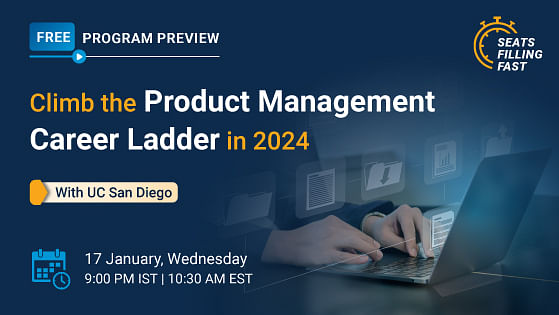
Climb the Product Management Career Ladder in 2024 with UC San Diego

Career Masterclass: Become an AI-Savvy Project Manager: The Skills You Need to Thrive
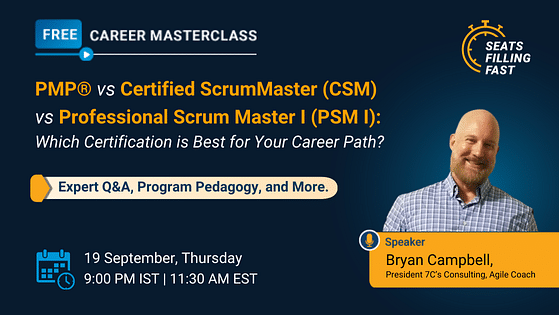
PMP vs. CSM vs. PSM 1: Which Certification is Best for Your Career Path?
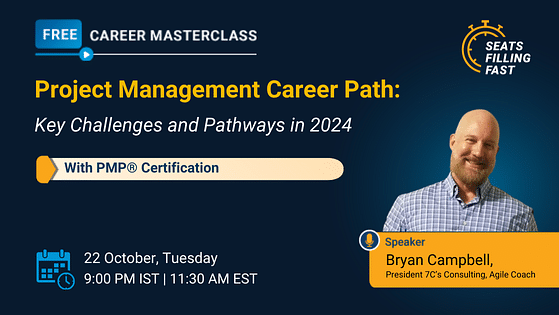
Project Management Career Path: Key Challenges and Pathways in 2024
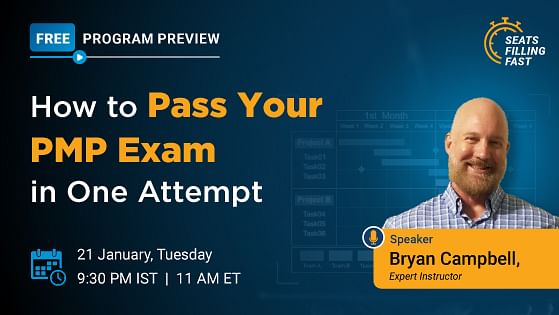
How to Pass Your PMP Exam in One Attempt
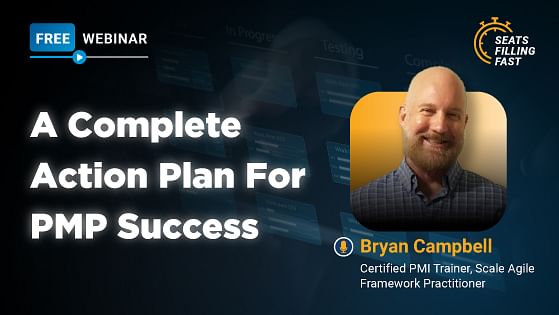
How to Become PMP Certified in 90 Days: A Complete Action Plan
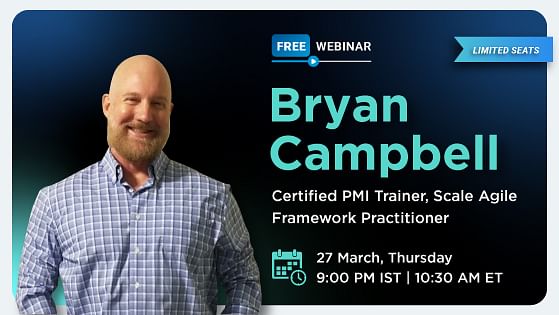
CSM vs PMP: Know Which is the Right Fit for You
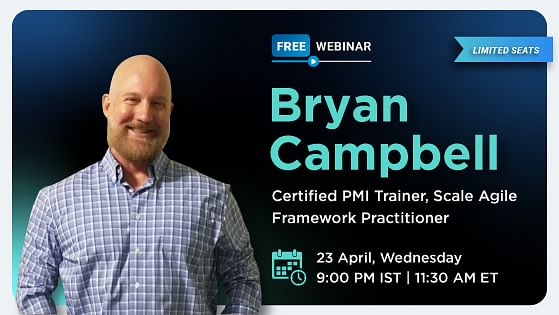
CAPM, PMP or PMI-ACP? Learn Which is the Best Fit For You
How GenAI Empowers Project Managers Without Replacing Them
Guided Live PMP® Practice With a PMP® Coach
Everything You Need To Know To Clear the PMP® Exam in 60 Days
What You Should Know Before Starting Your PMP Prep
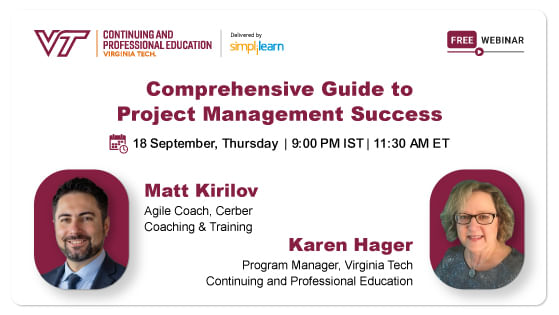
What You Need to Build a Career in Project Management
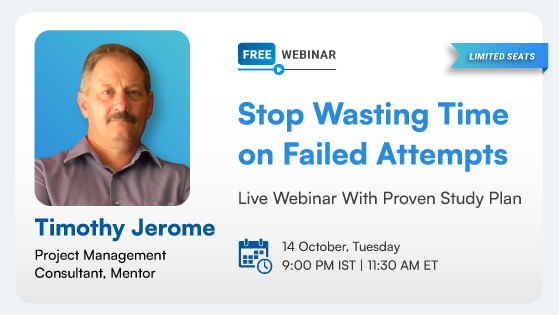
How to Pass the PMP on Your First Attempt
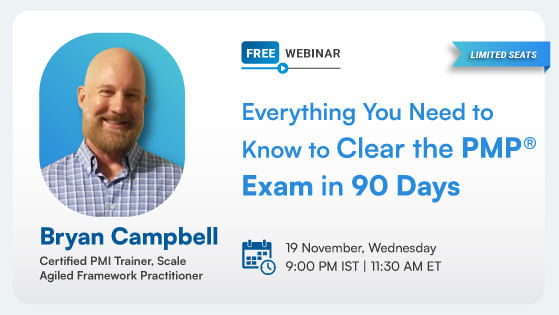
Everything You Need to Know to Clear the PMP® Exam in 90 Days
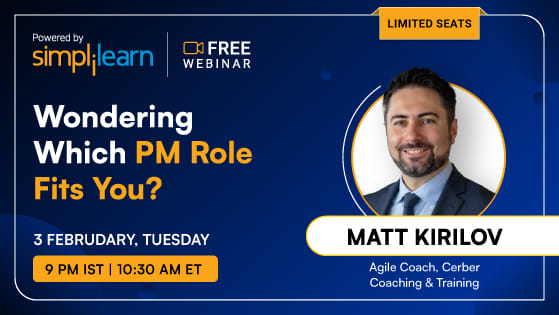
Choose the Right PM Career: Exploring Product, Tech & Change Management Roles
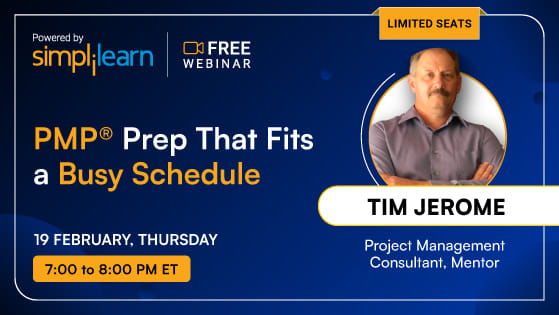
How to Pass the PMP in Your First Attempt
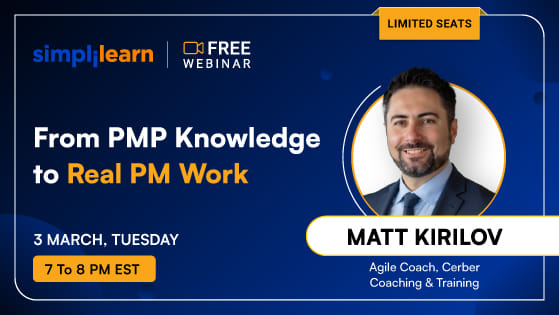
The First 90 Days as a Project Manager: What Success Looks Like
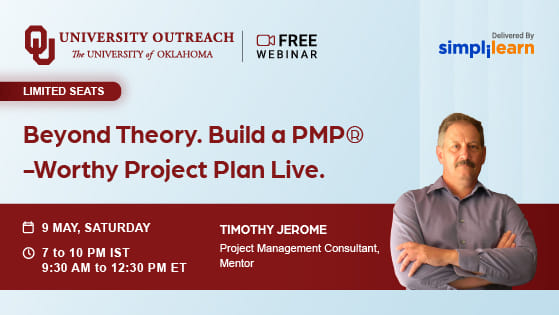
Build a PMP®-Aligned Project Plan: Live Workshop
Articles and Ebooks That You Can Access For Free
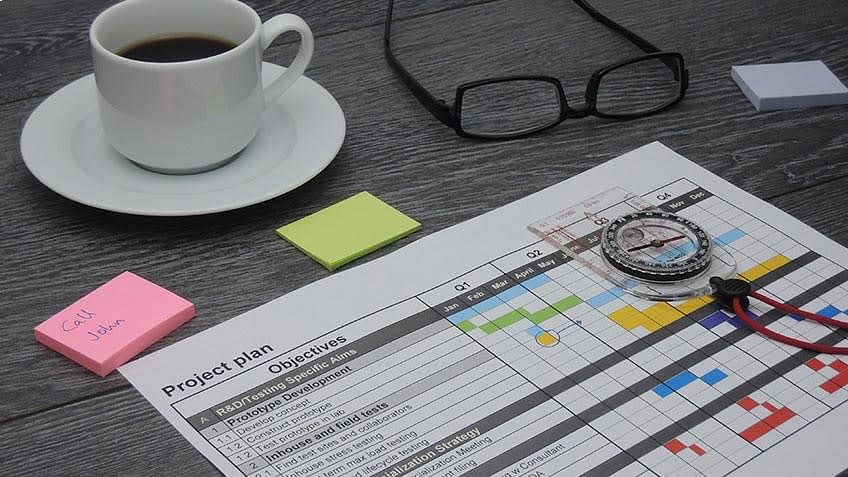
What is Critical Chain Project Management?
Four Proven Reasons Why Gamification Improves Employee Training

Project Scope Management and Its Importance
How to Talk to CXOs About Training


















What is Critical Chain Project Management?
Four Proven Reasons Why Gamification Improves Employee Training
Project Scope Management and Its Importance
How to Talk to CXOs About Training
Learners Also Explore




Connect with our learning consultant to get all your questions answered about programs, faculty, and more
Key Things to Know
Core technical skills include project scheduling, WBS development, risk register management, earned value analysis, budget tracking, and familiarity with project management tools such as MS Project, Jira, Asana, or Smartsheet.